The Cedar Problem in the Hill Country
Ashe juniper — what nearly everyone here calls “cedar” — is the most aggressive brush species in Central Texas. It spreads into open pasture and neglected lots within a few seasons, and it's thirsty: a single mature Ashe juniper can pull 30-plus gallons of water a day out of the ground. Clear dense cedar off a few acres and you put real water back into the soil, your stock tanks and the springs and wells downhill. It's also prime wildfire fuel — dense, oily, and fast-burning — which is exactly why thinning it back from your home and outbuildings matters on the drier western side of our service area.
How We Clear Cedar
For most cedar, forestry mulching is the answer: the machine grinds standing juniper into mulch in one pass, and because cedar doesn't resprout from a cut stump, mulching it is effectively permanent for those plants. The seed bank in the soil will still push up new seedlings over the years, so a light touch-up every few seasons keeps the land open cheaply. Where you want the stump and root crown gone entirely — say, to build or to reset a pasture — we grub it out instead. We can be fully selective: take the cedar, leave your oaks, elms and pecans standing.
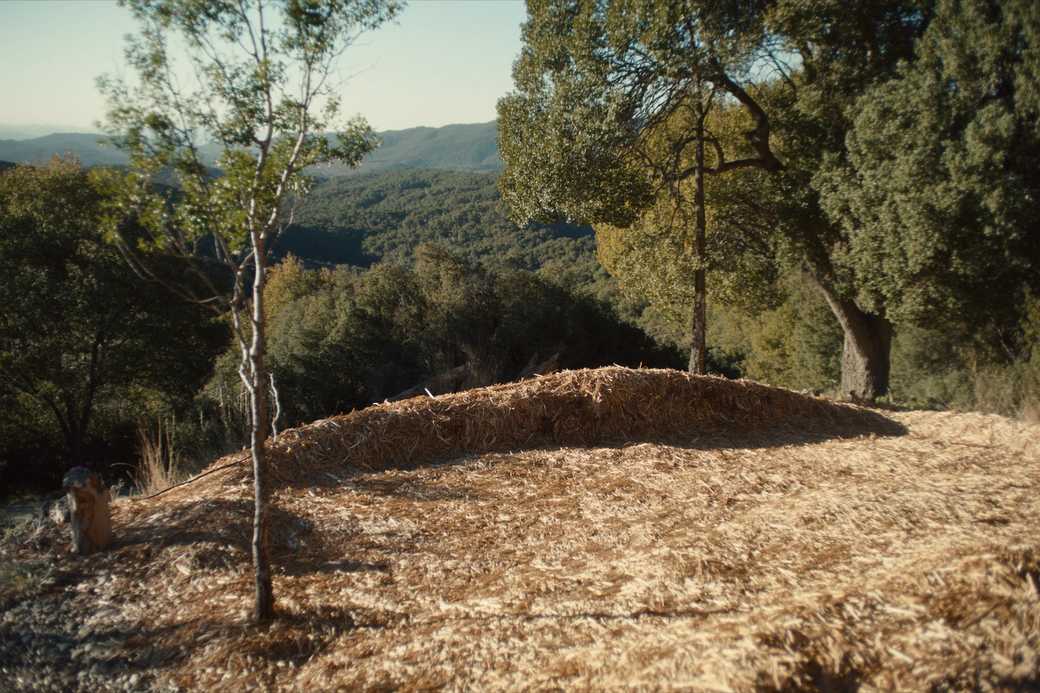
What clearing cedar gets you back:
- Water. Less juniper transpiration means more moisture for grass, tanks and wells.
- Grazing & usable land. Open ground where native grasses can re-establish.
- Defensible space. Lower wildfire fuel load around structures.
- Views and access. Land you can see across and drive through again.
One Thing to Check First: the Golden-Cheeked Warbler
The golden-cheeked warbler is a federally endangered songbird that nests only in stands of mature Ashe juniper mixed with oak, mostly on canyon slopes and along creeks — and its range includes Comal County, part of which reaches into our area. Clearing occupied habitat during the spring nesting season (roughly March–August) can require a federal permit. The good news: this rarely touches ordinary jobs — young regrowth cedar, brush, and pasture reclamation aren't warbler habitat. But if you own older-growth juniper on the hilly western edge, we'll help you figure out whether it applies before anyone starts. It's the kind of thing an out-of-town crew won't think to check.