What Forestry Mulching Actually Is
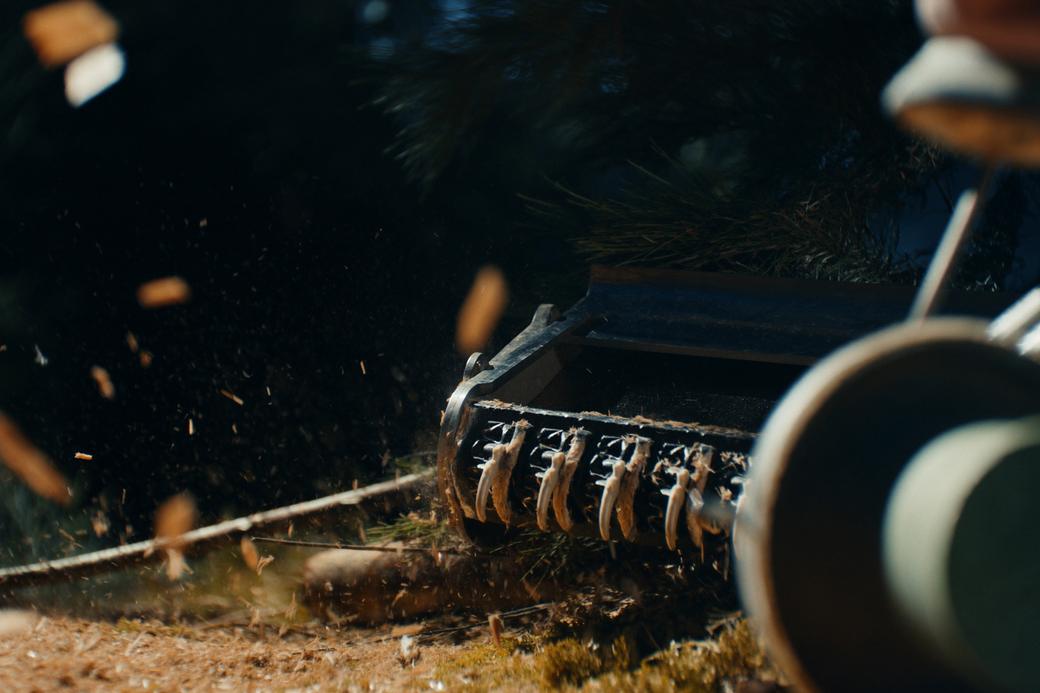
Forestry mulching is land clearing done with a single machine: a skid steer or tracked carrier fitted with a hydraulic mulching head — a heavy steel drum spinning fixed or carbide teeth — that cuts and grinds standing vegetation into mulch in one pass. The material drops right where it stood and becomes a protective layer over the soil. There's no separate cutting, piling, burning, and hauling; it's all one operation.
It's the ideal method for the brush, cedar, mesquite regrowth and small-to-mid trees that take over land around Schertz, Cibolo and the surrounding county. For very large trees or a scraped-clean building pad, we bring in grubbing and grading — but for reclaiming overgrown acreage, nothing beats a mulcher for speed, cleanliness and cost.
The Process, Start to Finish
- Walk & quote. We look at the property, judge the density (light brush vs. heavy woods), flag any protected trees or permit issues, and give you a firm per-acre price.
- Mark what stays. Heritage oaks, pecans, a tree line you want kept — we mark it so it's protected during the pass.
- Mulch it down. The machine grinds vegetation to a mulch layer, typically a few inches deep, contoured to your ground.
- Walk it together. You see the result before we leave and tell us if anything needs a second pass.
Why It Beats Dozer-and-Burn for Most Jobs
A dozer strips vegetation and topsoil, pushes it into piles, and leaves you with burn permits, smoke, compaction and a scarred surface that erodes. Mulching rides on top of the ground, so your topsoil, root structure and native grass seed bank stay in place — land recovers green instead of bare. On the thin, rocky soils common on the Hill Country side of our area, that difference is the whole ballgame for erosion. Mulching also runs roughly 20–40% cheaper than clear-and-haul on comparable acreage. Full numbers are on the cost guide.
Best uses around Schertz:
- Reclaiming an overgrown lot or pasture
- Thinning cedar and brush for fire safety near structures
- Clearing trails, ranch roads and recreational land
- Underbrush cleanup that leaves the good trees standing
- Prepping land ahead of fencing or a build